
Comprehensive Antibody Development Solutions
Explore Advanced Techniques in Antibody Sequencing
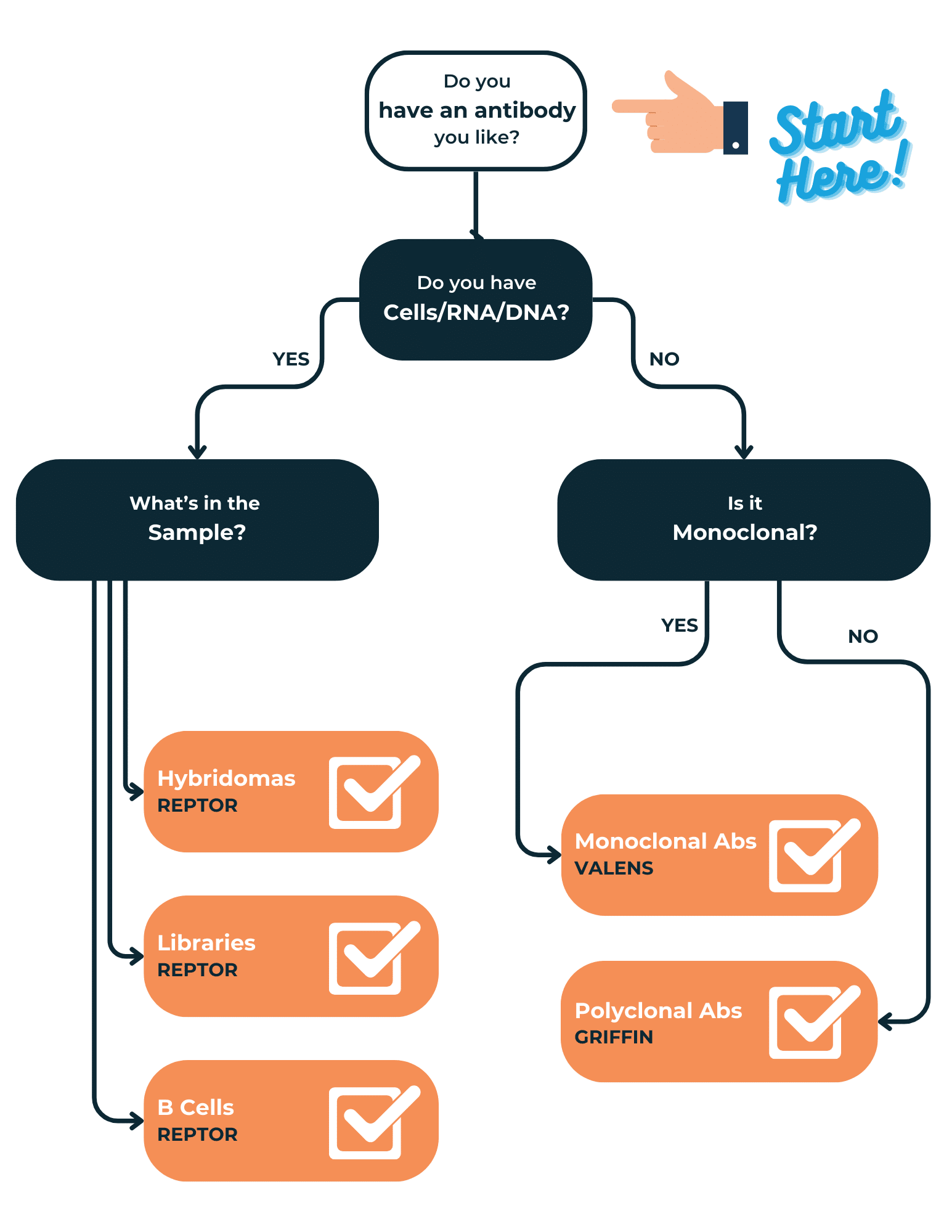
Sequencing is a critical step in antibody development. Our expertise spans monoclonal, polyclonal, hybridoma, and B cell repertoire sequencing, ensuring precise and reliable results.
Monoclonal Antibody Sequencing
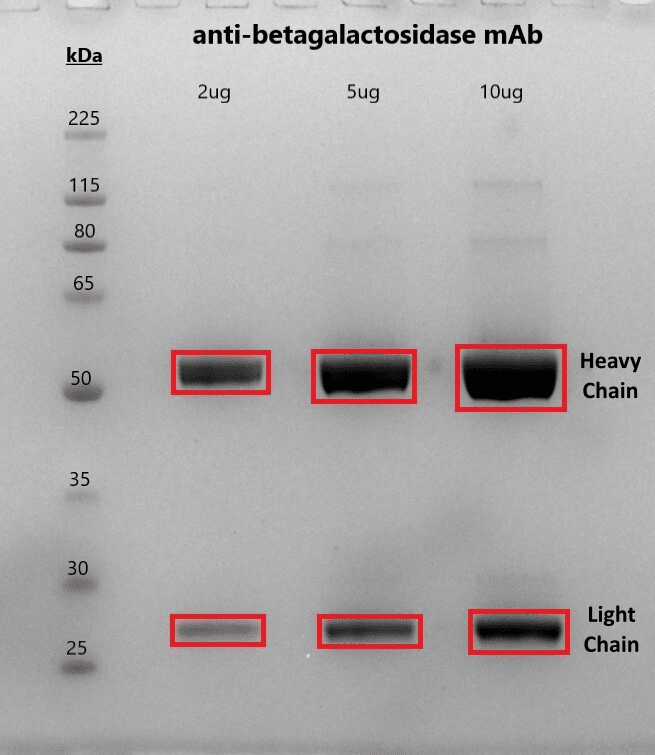
Monoclonal sequencing involves determining the amino acid sequence of antibodies derived from a single clonal B cell population. We’ve developed Valens for directly sequencing monoclonal antibodies using mass spectrometry. With free Isoleucine/Leucine determination with every project, Valens delivers accurate, actionable data.
Polyclonal Antibody Sequencing
Polyclonal sequencing captures the diversity of antibodies produced by different B cell clones. This approach is beneficial for applications of antibody development where consistency of reagents is criticial. Our polyclonal sequencing solution, Griffin, provides a detailed understanding of polyclonal antibody diversity, and enables to conversion of polyclonal antibodies into recombinant monoclonal antibodies.

Hybridoma Sequencing
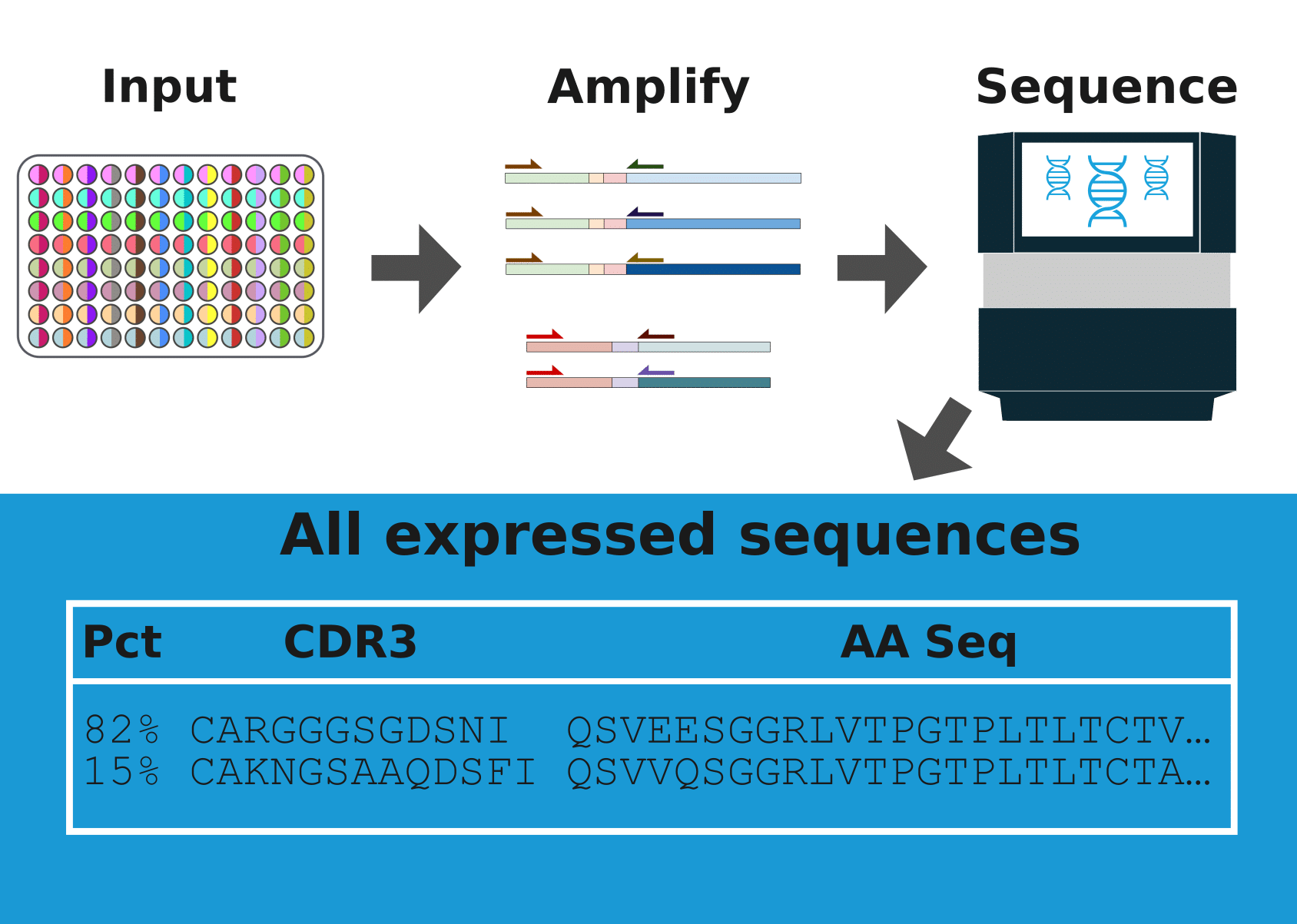
Hybridoma sequencing is a pivotal method in the field of antibody discovery, allowing researchers to decode the genetic blueprint of antibodies produced by hybridoma cells. This process involves the fusion of specific B cells with myeloma cells, creating a hybrid cell line capable of continuous antibody production. By sequencing these hybridomas, scientists can identify and characterize the specific antibodies, facilitating the development of targeted therapies and diagnostics. Our hybridoma sequencing service uses next-generation sequencing to deliver unparalleled value.
B Cell Repertoire Sequencing
B cell repertoire sequencing provides a comprehensive view of the diverse range of antibodies produced by B cells within a sample. This technique is instrumental in mapping the immune response, offering insights into how the body defends against pathogens and evolves over time. By examining the vast array of antibodies, researchers can identify patterns and variations that contribute to immune resilience or susceptibility. This knowledge is essential for advancing vaccine development and improving immunotherapy strategies, making it a cornerstone of modern immunological research.

Case Studies and Publications
Read more about our technologies in action in these case studies and publications
VALENS
De novo monoclonal sequencing a reagent for recognizing an alternate conformation of cytochrome c
REPTOR
Reptor sequencing at different stages of the hybridoma process reveals bottlenecks
REPTOR
Analyzing the B cell repertoire and serum antibodies in COVID-19 convalescent patients